

When dealing with basement flooding, one of the crucial decisions is selecting the right water pump. Among the various options available, diesel water pumps often come under consideration. As a diesel water pump supplier, I've encountered numerous inquiries regarding the suitability of diesel water pumps for basement dewatering. In this blog, I'll explore the viability of using diesel water pumps for this purpose, weighing the pros and cons to help you make an informed decision.
Advantages of Using Diesel Water Pumps for Basement Dewatering
High Power and Performance
Diesel water pumps are known for their robust power output. They can generate high pressure and flow rates, making them capable of quickly removing large volumes of water. In a basement flooding scenario, time is of the essence. The faster the water can be removed, the less damage it will cause to the structure, belongings, and the overall integrity of the basement. Diesel pumps can handle substantial amounts of water, which is especially beneficial if the basement is large or if the flooding is severe.
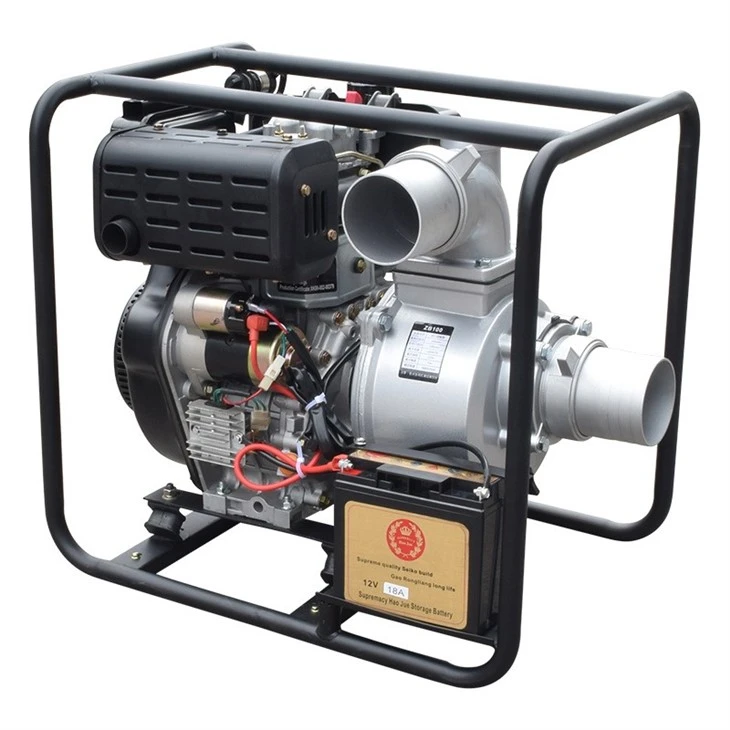
For instance, our Agricultural Irrigation High Volume Diesel Water Pump is designed to deliver high flow rates, which can be extremely useful for rapid basement dewatering. Its powerful diesel engine ensures continuous operation, even when dealing with a significant volume of water.
Independence from Electrical Supply
One of the significant advantages of diesel water pumps is that they don't rely on an electrical power source. During a flood, power outages are common due to electrical system failures or safety concerns. In such situations, electric pumps become useless, leaving you without a means to remove the water. Diesel pumps, on the other hand, can operate independently, providing a reliable solution when the power grid is down. This independence makes them a practical choice for emergency basement dewatering.
Durability and Reliability
Diesel engines are built to last. They are designed to withstand harsh operating conditions and heavy usage. When used for basement dewatering, the pump may be exposed to dirty water, debris, and other contaminants. Diesel water pumps are generally more resistant to these elements compared to some other types of pumps. Their sturdy construction and reliable components ensure that they can continue to function effectively, even in challenging environments.
Our Diesel Powered Driven Irrigation Transfer Pump is a prime example of a durable and reliable diesel water pump. It is constructed with high - quality materials and advanced engineering, making it suitable for long - term use in demanding dewatering applications.
Disadvantages of Using Diesel Water Pumps for Basement Dewatering
Ventilation Requirements
Diesel engines produce exhaust fumes that contain harmful pollutants such as carbon monoxide, nitrogen oxides, and particulate matter. These fumes are dangerous to human health, and inhaling them can lead to serious health problems, including headaches, dizziness, nausea, and in severe cases, even death. When using a diesel water pump in a basement, proper ventilation is essential. Basements are often enclosed spaces with limited air circulation, which makes it challenging to ensure adequate ventilation.
Without proper ventilation, the concentration of exhaust fumes can quickly reach dangerous levels. This means that additional equipment, such as exhaust ducts and fans, may be required to safely operate a diesel water pump in a basement. This not only adds to the complexity of the dewatering process but also increases the cost.
Noise Pollution
Diesel engines are relatively noisy compared to electric pumps. The noise generated by a running diesel water pump can be a significant nuisance, especially if the basement is part of a residential building. Prolonged exposure to high - level noise can also cause hearing damage. In a residential setting, the noise may disrupt the occupants' daily lives and even violate local noise regulations.
Fuel Storage and Handling
Diesel fuel needs to be stored and handled properly. It is a flammable liquid, and improper storage can pose a fire hazard. Additionally, diesel fuel has a limited shelf life, and if not stored correctly, it can degrade over time, affecting the performance of the pump. When using a diesel water pump for basement dewatering, you need to ensure that you have an adequate supply of fuel and that it is stored in a safe and appropriate manner.
Considerations for Using Diesel Water Pumps in Basements
Size and Capacity
When choosing a diesel water pump for basement dewatering, it's essential to select the right size and capacity. The pump should be able to handle the volume of water in the basement within a reasonable time frame. Factors such as the size of the basement, the depth of the water, and the rate of water inflow need to be considered.
Our Light Weight Large Flow Portable Diesel Operated Irrigation Water Pump for Farming is a versatile option that can be adjusted to suit different dewatering requirements. Its portability also makes it easy to move around the basement as needed.
Water Quality
The quality of the water in the basement can also affect the performance of the diesel water pump. If the water contains a large amount of debris, sand, or other solids, it can cause damage to the pump's components, such as the impeller and the pump casing. In such cases, a pre - filtration system may be required to remove the solids before the water enters the pump.
Maintenance
Regular maintenance is crucial to ensure the proper functioning of a diesel water pump. This includes tasks such as changing the oil, replacing the air filter, and inspecting the fuel system. When using the pump for basement dewatering, it's important to follow the manufacturer's maintenance schedule to prevent breakdowns and ensure its longevity.
Conclusion
In conclusion, diesel water pumps can be used for basement dewatering, but they come with both advantages and disadvantages. Their high power, independence from electrical supply, and durability make them a viable option, especially in emergency situations. However, the ventilation requirements, noise pollution, and fuel storage issues need to be carefully considered.
If you're facing a basement flooding problem and are considering using a diesel water pump, it's important to evaluate your specific situation. Consider factors such as the size of the basement, the frequency of flooding, and the availability of ventilation. As a diesel water pump supplier, we can provide you with expert advice and the right equipment to meet your dewatering needs.

If you're interested in learning more about our diesel water pumps or would like to discuss your basement dewatering requirements, please feel free to contact us. We're here to assist you in making the best decision for your situation and ensuring a successful dewatering process.
References
- "Pump Handbook" by Igor J. Karassik, Joseph P. Messina, Paul Cooper, and Charles C. Heald.
- "Diesel Engine Fundamentals" by John Heywood.
- Industry standards and guidelines for water pump selection and operation.