

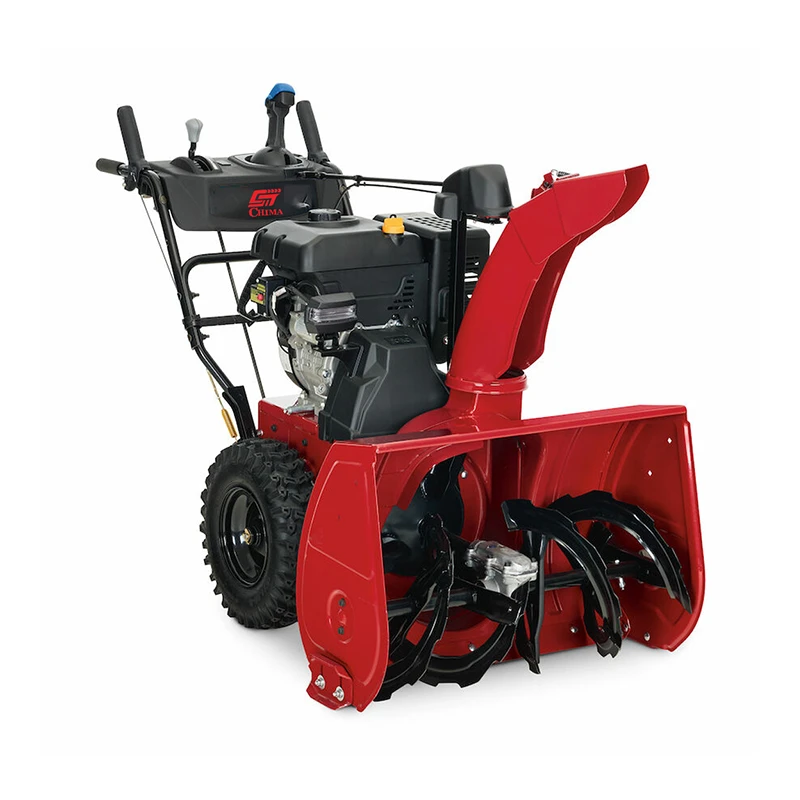
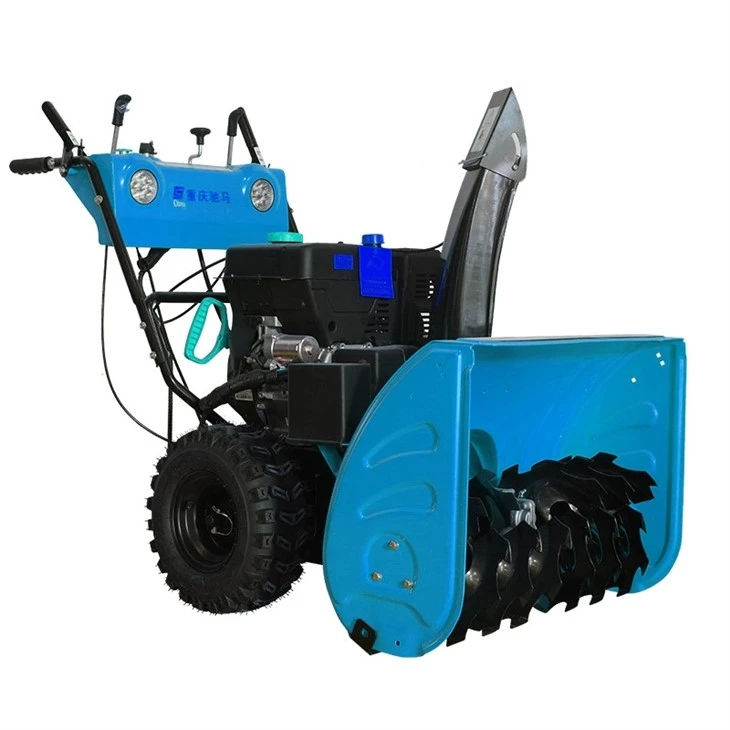
When winter arrives and snow blankets our driveways, sidewalks, and yards, a two stage snow blower becomes an invaluable tool for many. As a two stage snow blower supplier, I've seen firsthand how these machines can make snow removal a much more manageable task. However, like any powerful equipment, it's crucial to use them safely. In this blog, I'll discuss the essential safety precautions when using a two stage snow blower.
Pre - operation Safety Checks
Before firing up your two stage snow blower, a series of pre - operation checks are necessary. First and foremost, inspect the snow blower thoroughly for any visible damage. Check for loose parts, cracks in the housing, or any signs of wear and tear on the augers and impellers. A damaged machine can not only malfunction but also pose serious safety risks. For instance, a cracked housing might break apart during operation, sending debris flying.
Next, examine the fuel system. Ensure that the fuel tank is securely closed and there are no leaks. Gasoline is highly flammable, and a fuel leak can lead to a fire hazard. If you notice any fuel leaks, do not attempt to start the machine. Instead, have it repaired by a professional.
The spark plug is another vital component to check. A faulty spark plug can cause starting problems or inconsistent operation. Make sure it is clean and properly gapped according to the manufacturer's specifications.
It's also important to check the belts and chains. These components drive the augers and the impeller. A loose or worn - out belt or chain can slip, causing the snow blower to lose power or even malfunction. If you notice any signs of damage, such as fraying or excessive wear, replace the belts or chains before using the machine.
Safety Gear
Wearing the appropriate safety gear is non - negotiable when using a two stage snow blower. Start with eye protection. Snow blowers can kick up snow, ice, and small debris at high speeds. Safety glasses or goggles will protect your eyes from these hazards. Even if you're in a light snowfall, there's always a chance of debris being ejected.
Hearing protection is also essential. Two stage snow blowers are quite noisy, and prolonged exposure to high - intensity noise can damage your hearing. Earplugs or earmuffs can significantly reduce the risk of hearing loss.
Wear sturdy, non - slip boots. When snow blowing, you'll be walking on slippery surfaces. Non - slip boots provide better traction and reduce the risk of slips and falls. Additionally, they protect your feet from cold, wet conditions and any potential impacts from the snow blower.
Gloves are important for hand protection. They keep your hands warm and also protect them from the moving parts of the snow blower. If your hands accidentally come into contact with the augers or impellers, gloves can reduce the severity of injuries.
Operating the Snow Blower
When starting the snow blower, follow the manufacturer's instructions carefully. Most two stage snow blowers have a choke and a primer bulb. Use them correctly to ensure a smooth start. Never start the machine indoors or in an enclosed space. Gasoline - powered snow blowers emit carbon monoxide, a colorless and odorless gas that can be deadly. Always start the machine in a well - ventilated area.
When operating the snow blower, keep a safe distance from other people and pets. The snow blower can eject snow and debris over a considerable distance, and it's easy for bystanders to get injured. Make sure to clear the area of any obstacles before you start snow blowing. This includes toys, sticks, and rocks, which can be picked up by the snow blower and cause damage or injury.
Do not overreach or try to clear clogged snow from the auger or impeller while the machine is running. This is one of the most common causes of serious injuries when using a snow blower. Always turn off the machine and wait for all moving parts to stop before attempting to clear a clog. Use a stick or a tool specifically designed for this purpose, never your hands.
When moving the snow blower, use the handles and follow the proper technique. Do not push or pull the machine in an awkward position, as this can lead to back injuries. If you need to change directions, do it slowly and carefully.
Maintenance and Storage
Regular maintenance is key to keeping your two stage snow blower safe and in good working condition. After each use, clean the machine thoroughly. Remove any snow, ice, and debris from the augers, impellers, and the housing. This not only helps prevent corrosion but also ensures that the machine operates efficiently.
Check the oil level regularly if your snow blower is oil - lubricated. Low oil levels can cause the engine to overheat and damage the internal components. Follow the manufacturer's recommendations for oil changes.
If you're not going to use the snow blower for an extended period, proper storage is crucial. Drain the fuel tank or use a fuel stabilizer to prevent the gasoline from going bad. Store the machine in a dry, protected area, like a shed or a garage. This will prevent rust and damage from the elements.
Recommended Two Stage Snow Blowers
As a supplier, I'd like to recommend some of our best - selling two stage snow blowers. The Craftsman Select 24 - in 208cc Two Stage Gas Snow Blower is a powerful and reliable option. It has a large clearing width and a powerful engine, making it suitable for medium to large driveways.
For those with gravel driveways, the Best 24 Inch 2 Stage Compact Gas Snow Blower for Gravel Driveway is an excellent choice. It's designed to handle the unique challenges of clearing snow from gravel surfaces without throwing stones.
If you're looking for a more lightweight and easy - to - maneuver option, the 24 Inch Lightweight Two Stage Self Propelled Snow Blower is a great pick. Its self - propelled feature makes snow blowing less tiring, especially for longer sessions.
Contact for Purchase
If you're interested in any of our two stage snow blowers or have questions about safety precautions, feel free to reach out to us. We're here to provide you with the best products and advice to keep you safe during the winter months.
References
- Snow Blower Safety Manuals from Various Manufacturers
- Occupational Safety and Health Administration (OSHA) Guidelines on Power Equipment Safety
- Consumer Reports on Snow Blower Safety and Performance